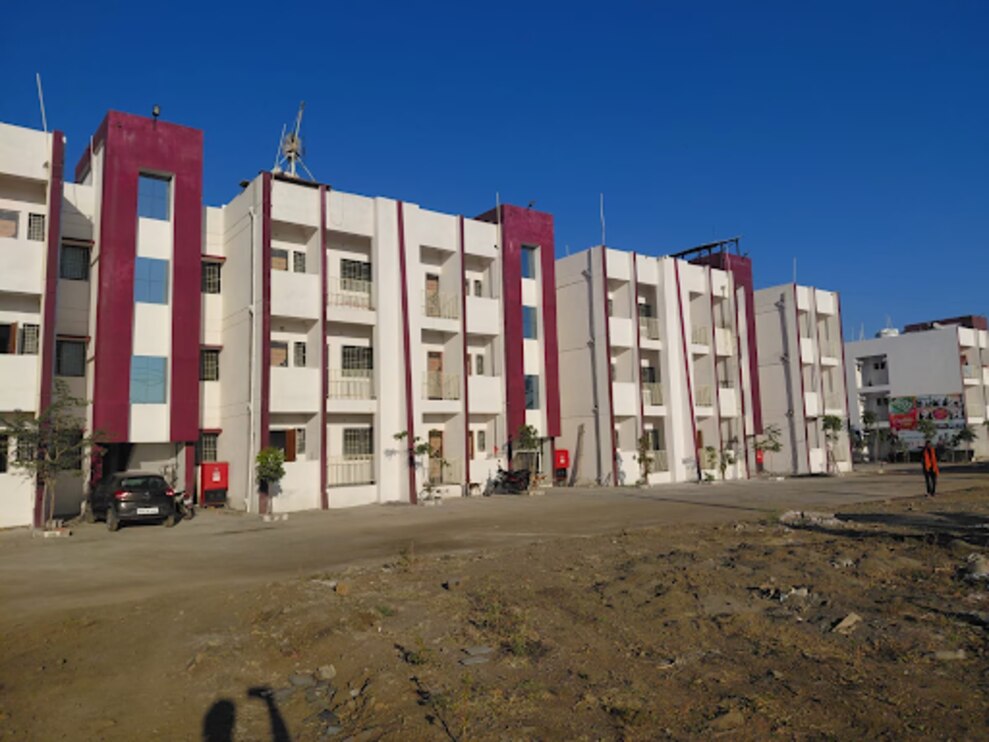
A low quoted price does not tell you what a home will cost to buy, occupy or maintain. By calculating the full cash requirement, comparing alternatives and checking the project documents, you can decide whether a flat genuinely lowers the barrier to ownership or merely shifts costs elsewhere.
Key takeaways
- Compare RERA carpet area, not saleable or super-built-up area.
- Add loan payments, maintenance, registration and utility costs to the monthly budget.
- Check the project, unit documents and developer record before booking.
- Match the flat’s size and eligibility criteria to your household needs.
What makes a flat genuinely low-priced?
A genuinely affordable flat is one whose total cost fits your budget, not merely one with the lowest advertised purchase price. Start by comparing the RERA carpet area, not the saleable or super-built-up area.
Carpet area includes internal partition walls but excludes external walls, service shafts, balconies, verandahs and open terraces, so divide the total quoted price by carpet area to get a meaningful price per square foot.
| Low advertised price | What it may hide | What to check |
|---|---|---|
| Small headline price | Smaller carpet area or fewer included features | Room dimensions and usable storage |
| Low price per square foot | Calculation based on super-built-up area | Price per square foot based on carpet area |
| Low base price | Charges added before possession | Written cost sheet and payment schedule |
| Outer-location project | Lower EMI but higher travel cost | Daily transport, last-mile access and travel time |
Your comparison must add every unavoidable cash payment:
- Maharashtra stamp duty and registration
- GST, where applicable
- Parking and separately priced utility connections
- Maintenance deposit, society charges and property-tax exposure
- Basic interiors, appliances and moving expenses
For an under-construction apartment, GST depends on the notification’s conditions, not price alone. The affordable-apartment concession generally requires a value up to ₹45 lakh and carpet area up to 90 square metres outside listed metropolitan cities; eligible homes are generally taxed at 1% without input-tax credit. Nagpur is outside that listed metropolitan group.
Ask for the exact tax treatment in writing before booking.
Calculate the monthly cost before you decide what you can afford
A household earning ₹60,000 a month could set a housing-cost ceiling near ₹18,000, using 30% of income as a safety limit. For an ₹18 lakh flat, a ₹3 lakh down payment and a ₹15 lakh home loan at an 8.5% interest rate over 20 years produce a monthly EMI of about ₹13,017.
Add ₹2,000 for maintenance, ₹1,000 as a property-tax reserve and ₹2,000 for extra commuting: the monthly cost reaches ₹18,017, leaving no room for income loss or repairs.
1. Fix your maximum monthly cost before viewing homes. Include the monthly EMI, maintenance, property-tax reserve, insurance, utilities and the added cost of travelling to work, school or healthcare. A low EMI loses its advantage if the location adds ₹4,000 each month in transport.
2. Calculate cash required at purchase. The down payment is only one part: add Maharashtra stamp duty and registration, GST where applicable, parking, utility connections, maintenance deposits, interiors and moving costs. Loan-to-value limits vary by lender and loan size, so do not assume a 90% loan covers these charges.
3. Test the loan at a higher interest rate and after a temporary income drop. Keep an emergency reserve separate from the down payment.
4. Treat PMAY-U 2.0’s Interest Subsidy Scheme as possible loan assistance, not a price discount. Eligibility includes income, first-home status, property value, loan limits and lender processing; confirm approval before counting the benefit.
Compare a low-price flat with renting and other routes to ownership
Buying a low-price flat is the better route when you expect to stay for several years and its full monthly cost beats rent without exhausting your cash reserve. Compare EMI, maintenance, property tax, commuting and upfront charges—not the advertised base price alone.
| Option | Better choice when | Main drawback to test |
|---|---|---|
| Renting | Your job, family size or location may change within a few years | Rent builds no ownership, and relocation can be easier |
| Low-price flat | You want predictable housing costs and can fund stamp duty, registration, GST where applicable, interiors and moving costs | A distant project can make transport erase the EMI saving |
| Resale flat | You need an established neighbourhood, visible construction and immediate possession | Repairs, older wiring, society dues and a higher carpet-area price can narrow the gap |
| Plot and build | You have patient capital, construction expertise and a firm long-term plan | Approvals, contractor delays, utility connections and cost overruns demand time and cash |
| Row house | You need private outdoor space, extra storage or room to expand | The purchase price, upkeep and commuting cost usually rise |
Compare every flat by RERA carpet area, not super-built-up area. A 1 BHK can be more sensible than a 2 BHK when you do not need another room; lower furnishing and maintenance costs preserve your emergency fund.
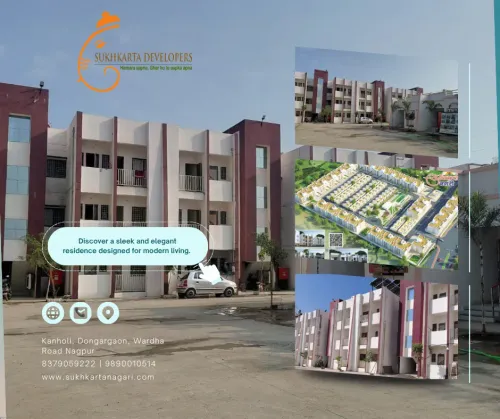
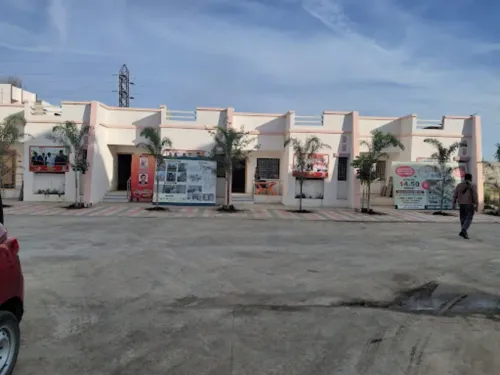
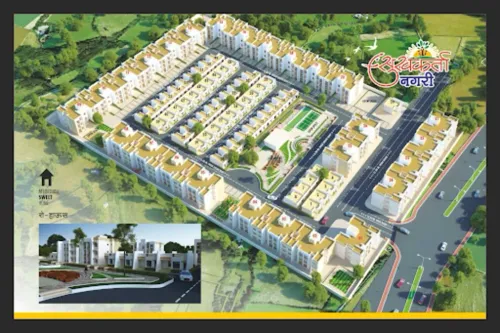
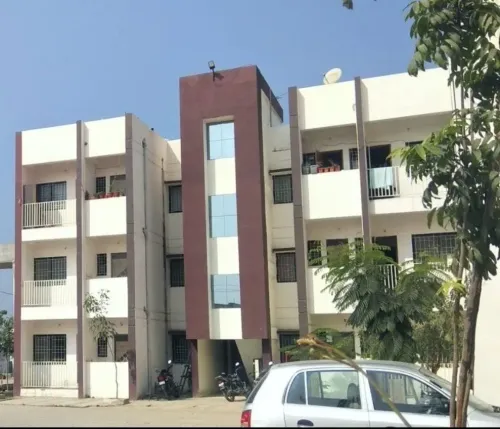
For a Kanholi option from SUKHKARTA DEVEOPERS, calculate travel to work, schools and hospitals before calling the price affordable. Do not pay more than 10% before signing the agreement for sale, and treat a larger informal advance as a warning.
Related product
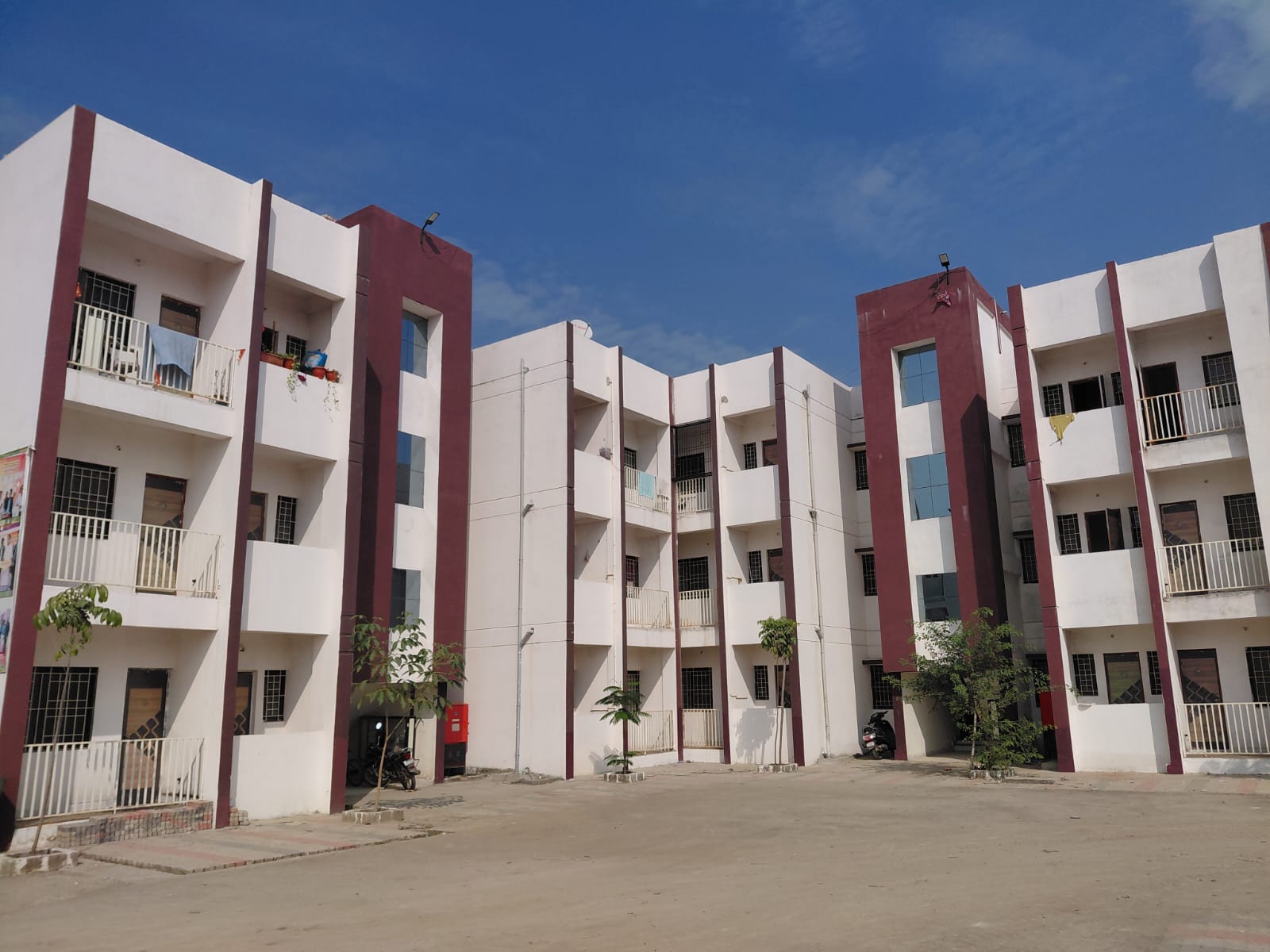 | Real Estate, Pradhanmantri Awas Yojana, MHADA ₹1450000 Compact Living, Grand Lifestyle: Discover the 1BHK Homes at Sukhkarta Nagari, Kanholi Why compromise on your dreams when you can own a home that... View product → |
Check the project, the unit and the developer before booking
Check MahaRERA before paying a booking amount: confirm the project, phase, promoter name, RERA registration number, declared completion date and filed approvals. A small-looking building is not automatically exempt; registration generally applies above 500 square metres or eight apartments, including all phases.
Ask for copies of these documents and records:
- Land title report, encumbrance certificate and the development or collaboration agreement
- Sanctioned layout, approved building plan, unit plan, carpet-area calculation and parking plan
- Commencement certificate, fire-safety approval and the agreement for sale
- Construction-stage photographs, inspection updates and specifications for doors, windows, wiring, plumbing, lifts and finishes
- Completion certificate or occupancy certificate before possession
Walk through the actual unit and common areas. Check carpet area against the agreement, wall cracks, damp patches, ventilation, sunlight, water pressure, electrical points, lift operation, fire exits, approach road, drainage and promised amenities. Confirm permanent water and electricity connections rather than temporary construction supply.
| Check | What to confirm | What goes wrong if skipped |
|---|---|---|
| Developer | Past delivery, complaints and land-title clarity | Delays or disputes |
| Charges | GST timing, stamp duty, registration, parking, utility fees and maintenance deposit | A low quote becomes unaffordable |
| Handover | Occupancy certificate and completed amenities | You pay for unfinished infrastructure |
Keep the agreement, specifications, handover record and written defect complaints. RERA protection for attributable structural or workmanship defects lasts five years from handover, with rectification generally due within 30 days of notice.
Use eligibility rules and household needs to choose the right home
PMAY-U 2.0’s Interest Subsidy Scheme covers eligible households with annual income up to ₹9 lakh across EWS, LIG and MIG bands. A first-home buyer must also meet the scheme’s property-value, loan-limit and lender-processing conditions. Treat the benefit as a possible loan subsidy, not as an instant reduction in the builder’s quoted price.
Before relying on it, check:
- Whether you own a pucca house already, because first-home status affects eligibility.
- Whether your income, loan amount, property value and carpet area fit the scheme’s limits.
- Whether the lender has applied the subsidy correctly and whether you still have cash for the down payment, Maharashtra stamp duty, registration, GST where applicable and deposits.
- Whether the EMI remains manageable if the subsidy is delayed or unavailable.
Your household plan decides whether the saving justifies a 1 BHK. Compare the choices against how long you expect to stay.
| Option | Fits when | Main caution |
|---|---|---|
| 1 BHK | You live alone or as a couple and need stronger 1 BHK affordability | A child, relative or permanent work-from-home room can make it cramped |
| 2 BHK | You expect children, extended family or a long holding period | The extra room raises price, furnishing, maintenance and utility costs |
Choose the 2 BHK only when you will use that space or hold the home long enough to justify it. A smaller flat that leaves money for the down payment and emergency reserve is often the safer purchase.
Frequently asked questions
What makes a flat genuinely low-priced?
A flat is genuinely low-priced when its total cost fits your budget, including the purchase price, loan costs, registration, maintenance and utilities. Compare RERA carpet area rather than saleable or super-built-up area.
How do you calculate the monthly cost of a flat?
Add the expected home-loan payment to maintenance charges, property taxes, utilities, insurance and other recurring costs. Include upfront charges such as registration and the down payment when checking affordability.
Should you buy a low-price flat or continue renting?
Compare the full monthly ownership cost, upfront cash requirement, expected time in the home and flexibility of renting. Ownership suits your plans only when the payment remains manageable after household expenses.
What should you check before booking a low-price flat?
Check the project registration and approvals, the unit’s carpet area and specifications, the agreement terms, possession details and the developer’s completed-project record. Inspect the flat and ask for written costs before paying.
How should household needs affect your choice of flat?
Choose the size, layout and location around the number of residents, commute, storage, accessibility and future needs. Review eligibility rules separately if you are using a housing scheme or loan benefit.