
A flat becomes a strong long-term investment only when its total cost, usable area, rental demand, financing burden and resale prospects work together. By the end, you will be able to test a Nagpur property against realistic cash flow, competing assets, location evidence and project documents before you book.
Key takeaways
- Add acquisition, financing, furnishing and rent-ready costs to the flat price.
- Test rent against maintenance, vacancy, taxes, loan interest and operating costs.
- Compare rental yield, appreciation potential and financing cost as one investment picture.
- Verify infrastructure claims and inspect project approvals, title and possession documents.
Calculate the Real Cost Before Comparing Flats
Use the all-in acquisition cost, not the advertised flat price. For the total cost of buying a flat, add the purchase consideration to every amount required to acquire, finance and make it rentable.
1. Start with the agreement value based on the RERA carpet area, not the super built-up or saleable area. Two flats advertised at 1,000 square feet can offer different usable space when balconies, shafts and common areas are excluded.
2. Add stamp duty and registration, applicable GST, brokerage, legal review, the home loan processing fee, valuation charges and other lender fees. Include parking only after confirming whether the agreement grants a separately transferable garage or merely an open-parking right.
3. Add the money needed before the first tenant moves in: interiors, appliances, furnishing, utility deposits, maintenance deposits and initial repairs. Treat a demand for more than 10% before a registered agreement for sale as a regulatory warning sign.
Your comparison figure is therefore purchase price plus acquisition charges and fit-out, expressed as a rupee amount and a cost per square foot of RERA carpet area. Keep recurring expenses separate in the return calculation: society charges, property tax, insurance, repairs, vacancy, tenant-change brokerage and furnishing replacement reduce net rent.
Loan interest is also a cash outflow, not rental income.
Divide annual net rent after these deductions by the all-in acquisition cost. That result gives a more realistic investment yield than dividing quoted rent by the brochure price.
Test Rent and Cash Flow Before You Book
A flat supports its price only if local rent can carry the property after empty months and ownership costs. Check comparable 1 BHK or 2 BHK rents within the same micro-market, then test travel time to employment clusters, hospitals, universities and transit corridors during weekday peak hours.
A cheaper, distant project can lose tenants and resale liquidity.
- Record achievable monthly rent, not the broker’s highest quote. Confirm it with three nearby listings and ask how long comparable flats remain vacant.
- Calculate gross yield using annual rent divided by total investment. Use the all-in figure, including purchase costs, registration, taxes, interiors and deposits; then calculate net yield after vacancy and maintenance costs.
- Deduct society charges, property tax, insurance, repairs, tenant-change brokerage, furnishing replacement and property-management fees. A ₹20,000 monthly rent is not ₹240,000 of usable annual income if one month is vacant and repairs consume the rest.
- Build your flat investment cash flow from monthly rent minus recurring costs and the EMI. Compare that result with your planned monthly contribution, and stress-test a 10% rent fall, two vacant months and a higher interest rate.
If the EMI remains affordable only when every month is occupied, treat the loan commitment as fragile. Inspect heat exposure, ventilation, waterproofing, storm-water drainage, power backup and access-road waterlogging; these details affect vacancy and repair bills more than decorative amenities. Reject a deal that works only on promised rent or future appreciation.
Compare Yield, Appreciation and Financing Cost Together
Judge a flat by net total return, not by property appreciation versus rental yield in isolation. Add net rent and realised sale proceeds, then subtract vacancy, maintenance, tax, repairs, insurance, brokerage, selling costs and home loan interest; divide the result by your all-in investment cost.
| Investment | Income profile | Appreciation and cost test |
|---|---|---|
| Flat | Rent after society charges and vacancies | Compare resale growth with maintenance, selling costs and EMI interest |
| Row house | Rent can be higher | Compare the premium with roof, exterior, drainage, waterproofing and private-road repairs |
| Plot | Usually no rent | Count holding costs, approval risk and the time needed to build before comparing appreciation |
| Mutual fund | Dividends are not guaranteed | Compare market risk, liquidity and expense ratio with property’s transaction friction |
A rising quoted price is not profit if interest and selling costs consume the increase. For example, a flat bought for ₹50 lakh with ₹5 lakh of acquisition and fit-out costs, earning ₹18,000 monthly before vacancy, has a gross annual rent of ₹2.16 lakh against ₹55 lakh invested; deduct actual costs before calculating yield.
Test three scenarios: rent falls by 10%, the flat remains vacant for three months, and the sale price grows slower than expected. Choose the investment that still produces acceptable cash flow after each stress test, not the one with the highest brochure forecast.
A flat versus plot and mutual fund comparison also exposes the cost of locked capital and limited liquidity. Tax relief on home loan interest is conditional; do not treat it as guaranteed return.
Value the Location Through Demand and Verifiable Infrastructure
A flat is more likely to retain tenant demand and resale value when people can reach work, essential services and established neighbourhoods without an unreliable commute. Assess any Nagpur property investment location at weekday peak hours, not only from the project entrance on a quiet Sunday.
| Signal | What to check | Why it protects value |
|---|---|---|
| Employment hubs and public transport | Record peak-hour travel time to offices, industrial areas, major roads, railway stations and bus corridors | A wider tenant pool reduces vacancy and supports resale |
| Schools hospitals and retail | Map daily-needs shops, supermarkets, schools, hospitals and pharmacies within practical travel distance | Families and working tenants value convenience over decorative amenities |
| Established neighbourhoods | Check occupied buildings, grocery activity, street lighting, drainage and evening access | Existing activity gives a project a stronger rental market |
| Planned infrastructure verification | Confirm roads, transit links, water lines and commercial projects through municipal plans, tender notices or the responsible agency | Verified works carry more weight than a broker’s promise |
Test travel time in both directions during the morning and evening rush. A cheaper flat far from employment hubs can lose its advantage through longer vacancy, higher tenant turnover and weaker resale liquidity.
Treat infrastructure as a claim until you can identify its approving authority, project status and expected completion date. Also inspect monsoon waterlogging, storm-water discharge, summer heat exposure and power-backup arrangements; recurring access or comfort problems reduce demand even beside a promising future corridor.
Use Project Documents to Protect Long-Term Value
A dependable investment starts with documents, not the brochure. Confirm the land title, approved building plans, development agreement, encumbrance certificate, and the seller’s authority to transfer the flat. Match the sale agreement to the exact unit, carpet area, possession date, parking allocation, maintenance terms, and promised specifications.
Use this document checklist before paying a substantial booking amount:
- Complete MahaRERA project verification on the regulator’s portal. Check the registration number, declared completion date, sanctioned plans, quarterly progress updates, encumbrances and litigation disclosures.
- Confirm that 70% of buyer collections enters the project’s separate bank account. This supports RERA buyer protections, but certification-based withdrawals do not guarantee timely completion.
- Demand the occupancy certificate or completion certificate for your specific wing or phase, not merely the wider project. Compare it with the sanctioned plan and check fire compliance, water supply and sewage arrangements.
- Obtain a written statement of society dues, property tax, utility arrears, maintenance deposits and possession charges. Ask for the conveyance or apartment ownership documents required after handover.
- Check GST and home loan tax benefits with a chartered accountant. GST treatment differs between under-construction and completed homes, while loan deductions depend on use, possession and your tax regime.
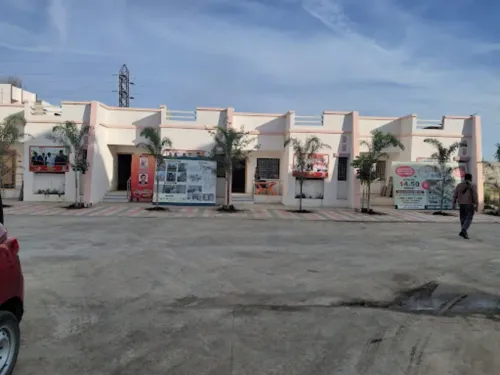
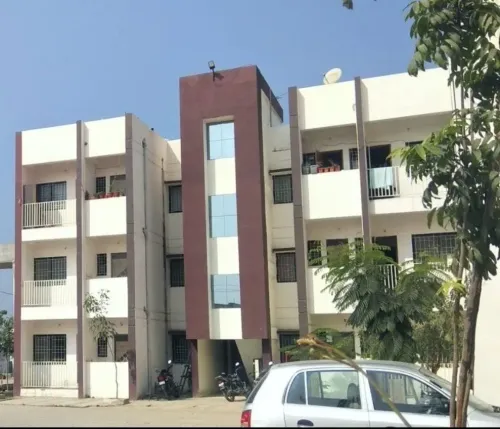
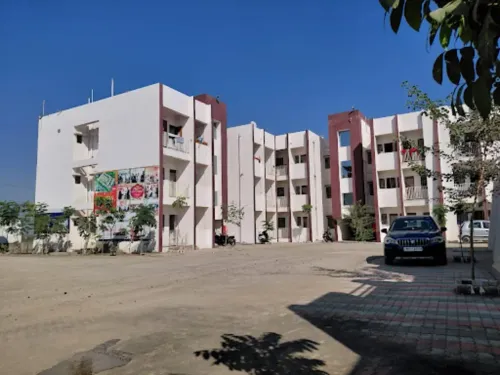
Check | Evidence to inspect | Risk if missing Title | Search report and encumbrance certificate | Mortgage or ownership dispute Construction | Approved plan and wing-specific certificate | Unauthorised work or delayed possession Ownership | Registered agreement and dues statement | Transfer costs or inherited arrears For a Kanholi purchase, SUKHKARTA DEVEOPERS should provide the same project-specific records; compare documents, not verbal assurances.
Related products
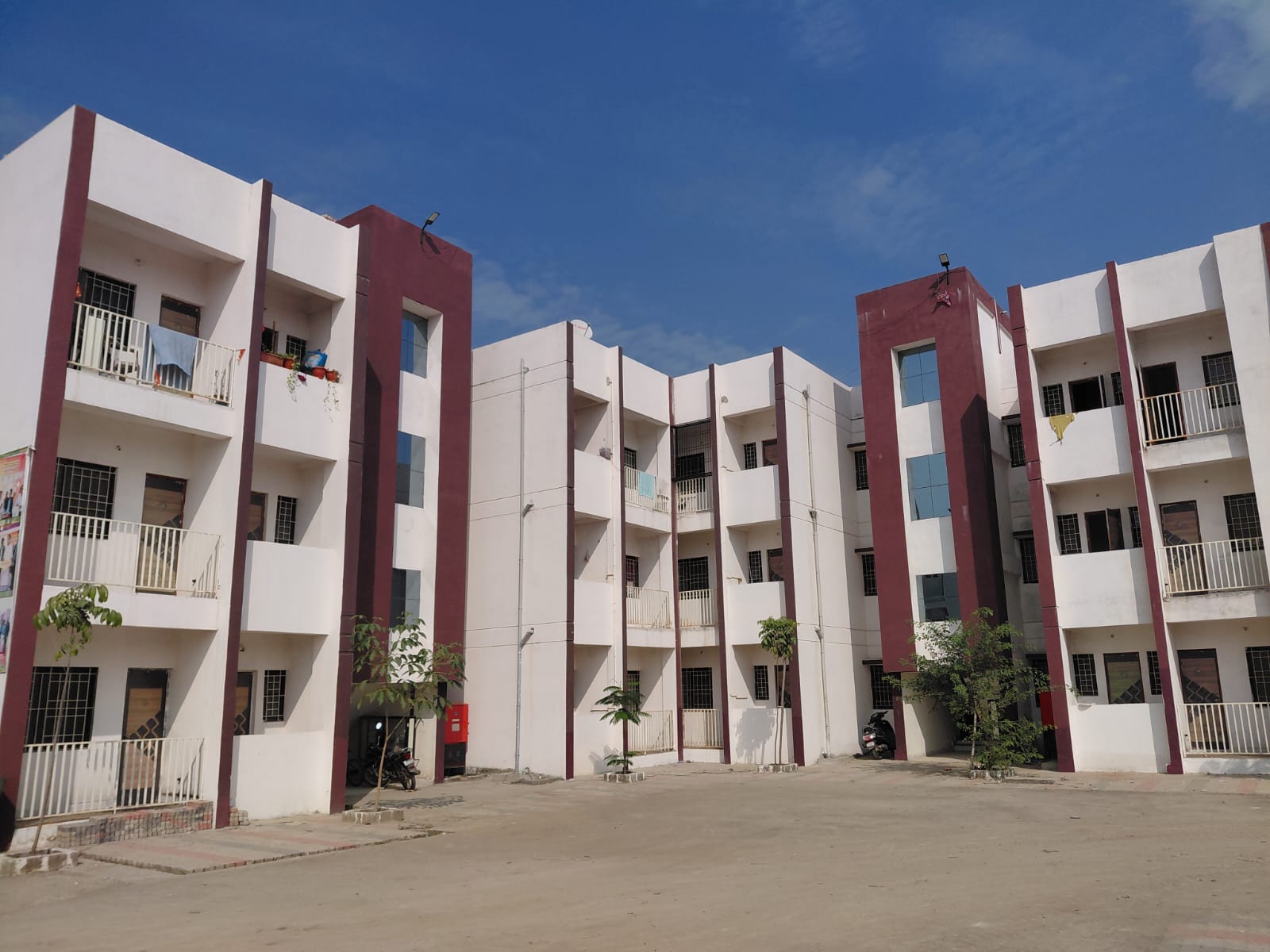 | Real Estate, Pradhanmantri Awas Yojana, MHADA ₹1450000 Compact Living, Grand Lifestyle: Discover the 1BHK Homes at Sukhkarta Nagari, Kanholi Why compromise on your dreams when you can own a home that... View product → |
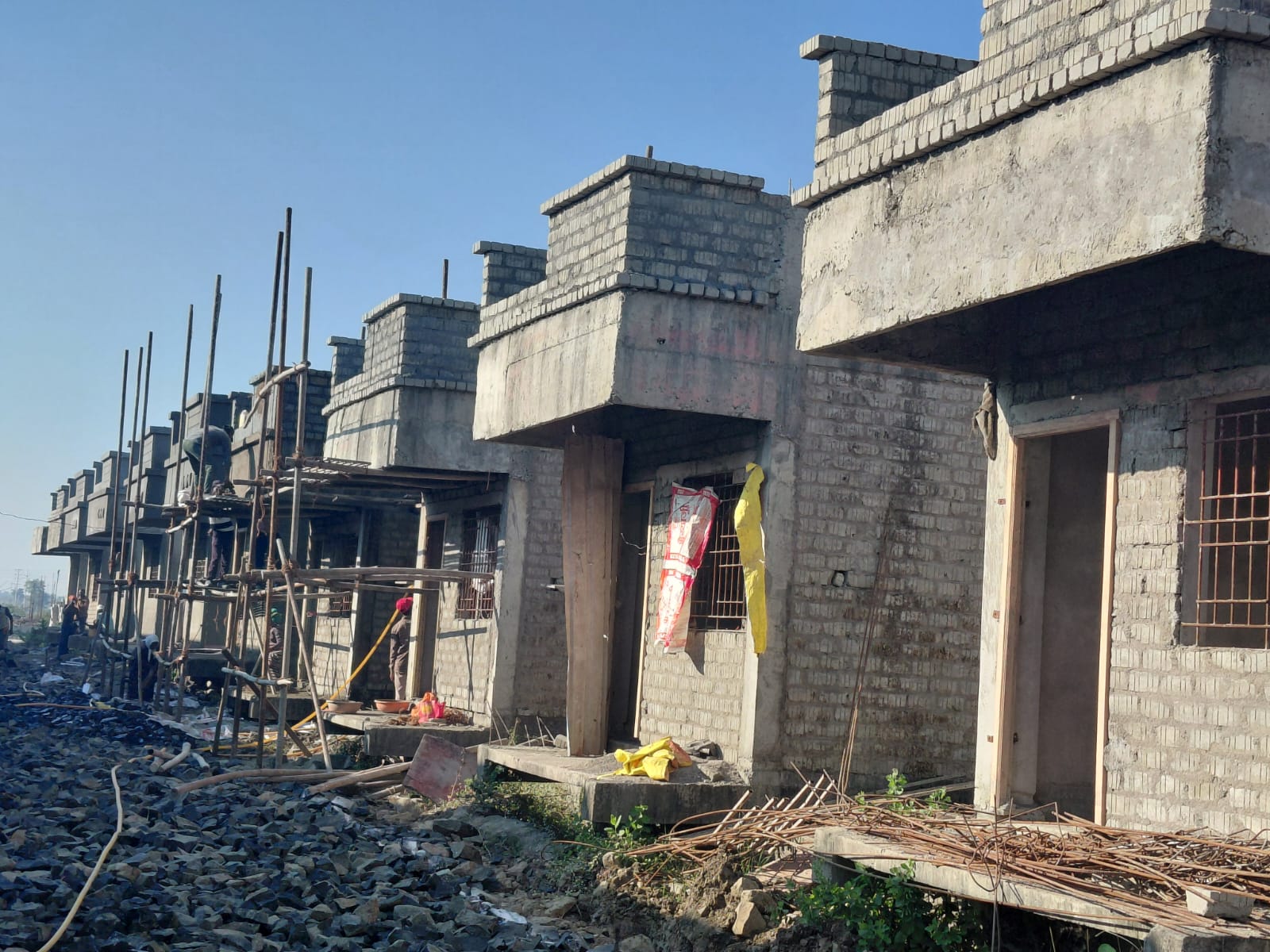 | Real Estate ₹2500000 Sukhkarta Nagari is a residential project located in Kanholi, Nagpur, developed by Sukhkarta Developers. View product → |
Frequently asked questions
What costs should you include before comparing flats for investment?
Calculate the all-in acquisition cost: purchase consideration, stamp duty, registration, brokerage, loan fees, interiors, furnishing, repairs and every expense needed to make the flat rentable.
How do you test rental cash flow before booking a flat?
Use achievable local rent, then subtract maintenance, property tax, insurance, vacancy, repairs, management fees and loan payments to estimate actual cash flow.
Which investment measures should you compare together?
Compare gross and net rental yield with expected appreciation and total financing cost. A high yield does not automatically compensate for weak appreciation or expensive borrowing.
How can location research protect a flat investment?
Check tenant and resale demand, commute routes, nearby employment and essential services. Verify promised roads, metro links and public facilities through official sources and project timelines.
Which project documents help protect long-term property value?
Review the sanctioned plan, title documents, RERA registration, commencement certificate, building approvals, agreement for sale, possession timeline and records of promised amenities.