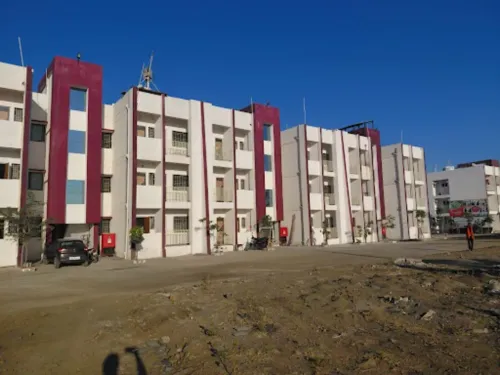
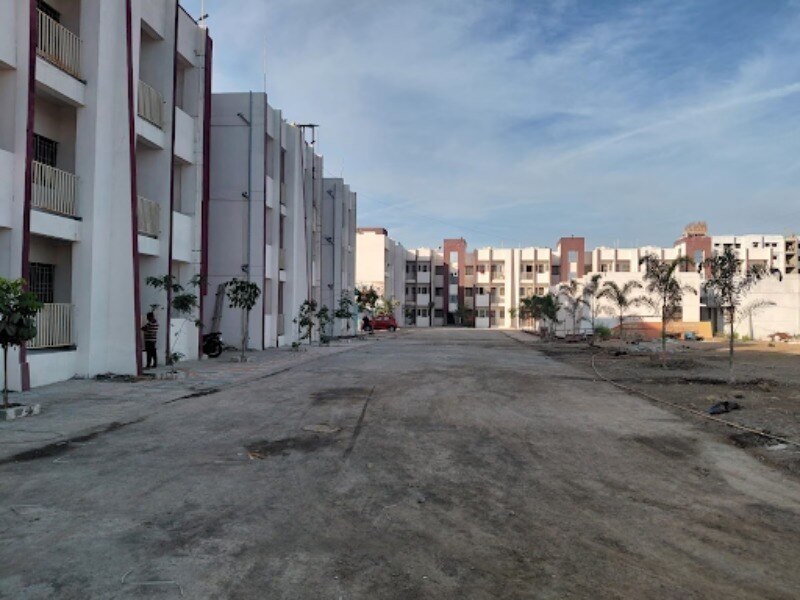
A flat is affordable only when the full monthly and one-time cost fits your life after possession, not when its base price looks low. You will be able to set a safe budget, compare actual comfort between similarly priced homes, test location and building quality, and decide when a 1BHK or another housing format is the better choice.
Key takeaways
- Base your EMI on take-home income after essential expenses and six months of reserves.
- Compare carpet area, ventilation, storage and fittings—not the advertised flat size alone.
- Add commute, parking, maintenance and utility costs to the location decision.
- Inspect construction quality and verify title, approvals and agreement terms before signing.
Set a housing budget beyond the advertised price
Start with monthly take-home income, not the advertised flat price. Subtract existing loan EMIs and essential expenses, including food, school fees, insurance, transport and medical costs. Preserve an emergency reserve covering at least six months of essential outgoings before deciding the new home loan EMI.
Test the affordable flat budget against a higher rate and income disruption: recalculate the home loan EMI after a 2-percentage-point increase, then check whether you could continue paying it after a temporary job loss or reduced income. If either test empties your reserve, reduce the loan or choose a cheaper property.
Your complete purchase figure includes:
- Down payment, GST where applicable, registration charges in Maharashtra, stamp duty, legal and documentation charges
- Floor-rise and preferential-location charges, parking, electricity and water connections, advance maintenance
- Moving costs and basic furnishing, including lights, curtains, storage and essential appliances
Recurring costs belong in the same calculation:
| Cost | Include | Why it matters |
|---|---|---|
| Society charges | Maintenance, sinking or repair funds, lift and generator charges | Common-area costs can rise |
| Utilities | Property tax, water and electricity | These continue after possession |
| Parking and travel | Parking charges, fuel, fares and vehicle upkeep | A distant flat can cost more each month |
Request an itemised cost sheet and compare the final agreement value, not only the base rate per square foot. Confirm that parking is open or covered, exclusively allotted, separately priced and subject to its own maintenance charge.
Compare comfort using carpet area and measurable features
Start with RERA carpet area, not the advertised saleable size. It includes internal partition walls but excludes external walls, service shafts, balconies, verandas and open terraces. A comparison of built-up area versus carpet area can expose a cheaper flat that offers less usable indoor space, so never compare super-built-up area alone.
Ask for room dimensions, then measure the living room, bedroom, kitchen and passages. Mark your sofa, bed, dining table, wardrobes and appliances on the plan; check where additional storage can go. Confirm that the kitchen and bathrooms have direct outside ventilation, not just a small sealed opening.
| Feature | Flat A | Flat B |
|---|---|---|
| Living room and bedroom dimensions | Record wall-to-wall measurements | Record wall-to-wall measurements |
| Daylight in flats | Check window size and blocked views | Check window size and blocked views |
| Cross-ventilation | Openings on different sides | Openings on different sides |
| Balcony | Measure depth and check external shading | Measure depth and check external shading |
| Services | Test water pressure, backup, lifts, security, waste collection and upkeep | Test the same items |
In Nagpur, inspect west and south-west exposure, top-floor heat and roof insulation. Large unshaded windows can increase afternoon cooling costs.
Confirm parking separately: open or covered, exact location, exclusive allotment, price and maintenance charge. A brochure label is not proof of usable parking.
Calculate the real cost of the location
A cheaper flat becomes expensive when its flat location and commute cost erase the monthly saving. Measure door-to-door travel time during your household’s actual morning and evening peak, not the distance shown on a map.
Price the monthly cost of fuel, public-transport fares, parking and vehicle maintenance. Then value the hours spent travelling to work, schools, clinics, grocery shops and other regular services; use your approximate after-tax hourly income as a practical benchmark.
Test the route at peak traffic in both directions. Check road quality, all-weather access, public transport access, waste collection and the distance to essential services. A distant flat that adds 90 minutes daily can consume more money and family time than its lower purchase price suggests.
For Nagpur monsoon drainage, inspect the approach road, plinth level, storm-water outlets, nearby low points, basement ramp and parking during or immediately after heavy rain. Ask for the approved drainage plan and confirm whether the basement has pumps and backup power.
Visit at peak traffic and evening hours with windows open and closed. Check noise and privacy in apartments from roads, shops, generators, transformers, refuse areas, play areas and lift lobbies. Look at bedroom windows from inside and confirm that neighbouring buildings do not overlook them directly.
Use this site checklist:
- Record door-to-door time and monthly travel cost for each household member.
- Ask what the backup power serves, its maximum load and changeover time.
- Inspect basement pumps, ramps, parking and water outlets after rain.
- Test bedroom privacy and noise with windows in both positions.
Decide whether a 1BHK, row house or resale home fits your life
A 1BHK works best when one or two people need a lower purchase price and lower routine maintenance, not maximum flexibility.
Its 1BHK trade-offs include less privacy for couples or roommates, limited space for a 1BHK for work from home, tighter storage, awkward guest accommodation and little room if children or elderly relatives join the household. Budget for furnishing, immediate repairs, appliance replacement and building maintenance before comparing prices.
| Option | Everyday strengths | Costs and limits to check |
|---|---|---|
| New flat | Shared security, lifts, amenities and predictable initial repairs | RERA carpet area, parking price, recurring maintenance, commute and resale demand |
| Row house | More privacy, land share, storage and parking flexibility | Higher purchase, furnishing, repairs and maintenance responsibility |
| Resale home | Established neighbourhood, visible construction quality and possible rental flexibility | Immediate repairs, older appliances, renovation, weaker layout and documentation checks |
For a flat versus row house, compare RERA carpet area rather than saleable area, then verify land share, privacy, parking, repair responsibility, commute, resale demand and rental flexibility. A new flat versus resale home also requires checking appliance age, painting, plumbing, electrical work and society repair funds.
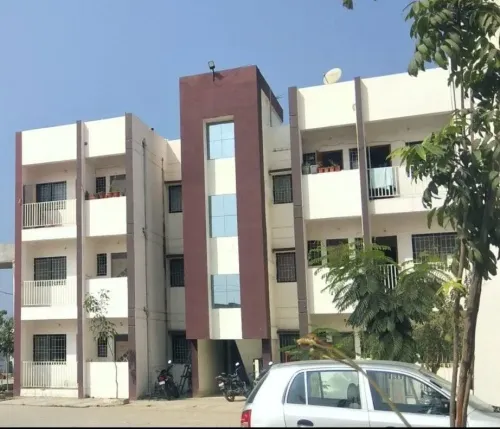
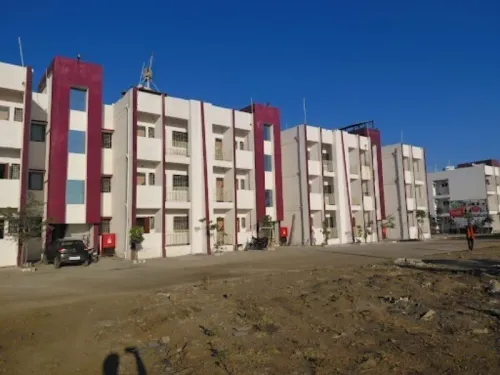
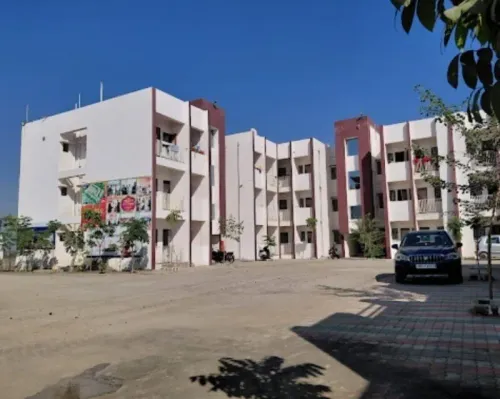
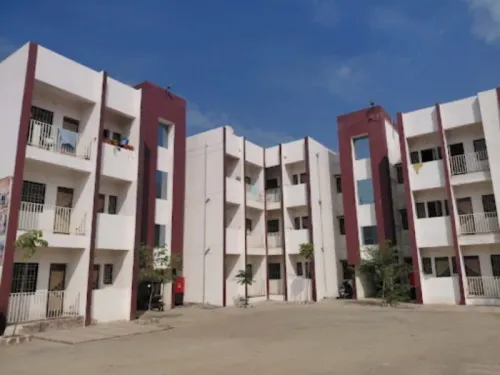
Assess a new flat from SUKHKARTA DEVEOPERS using the same checklist: measure usable space, verify recurring charges and test the location against your routine.
Reject a low-priced unit if it has:
- Poor transport or an unsustainable commute
- An unsuitable layout or inadequate parking
- High maintenance charges
- Flood exposure or weak drainage
- Too little privacy, storage or guest space for your household
Related products
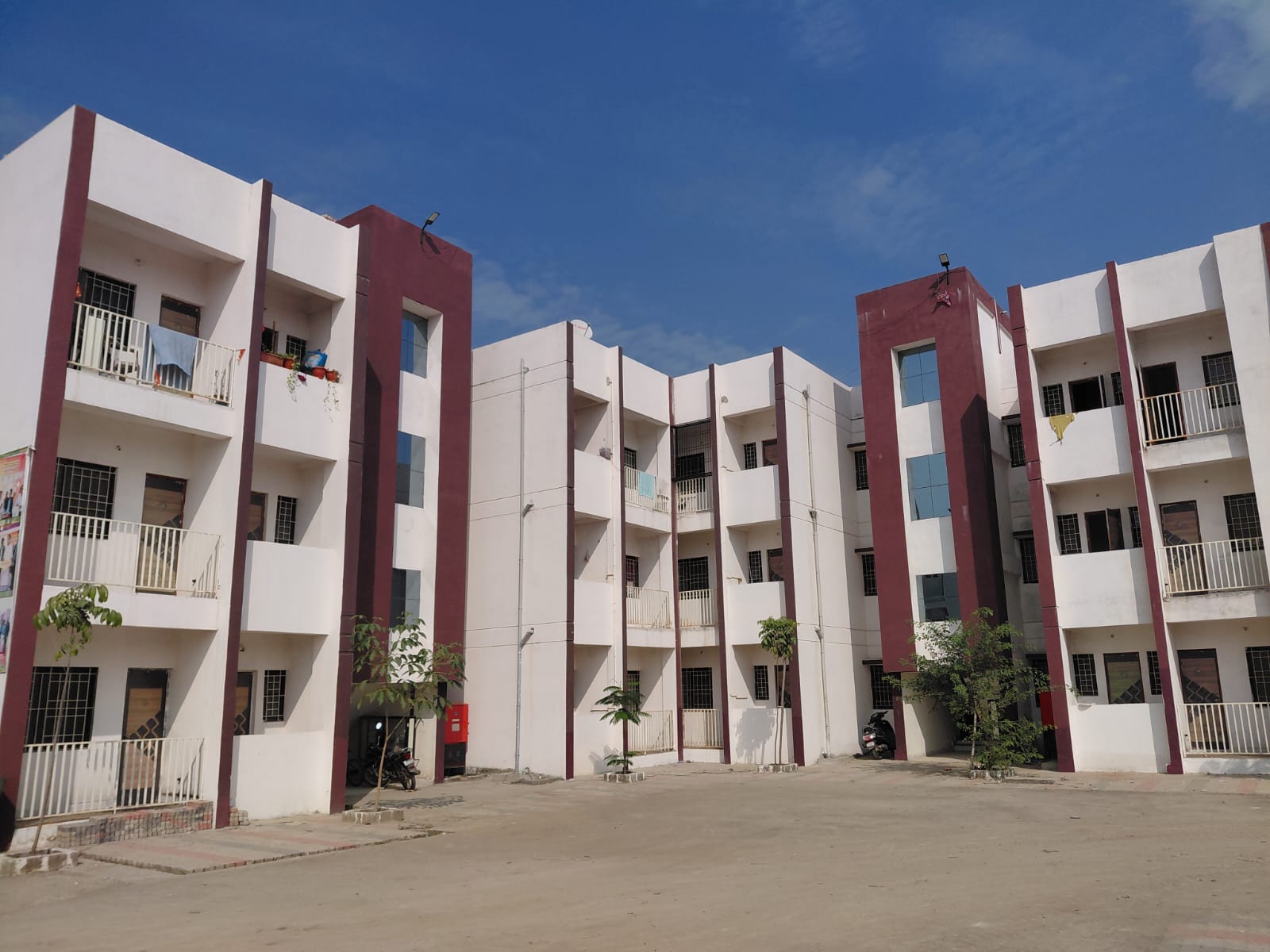 | Real Estate, Pradhanmantri Awas Yojana, MHADA ₹1450000 Compact Living, Grand Lifestyle: Discover the 1BHK Homes at Sukhkarta Nagari, Kanholi Why compromise on your dreams when you can own a home that... View product → |
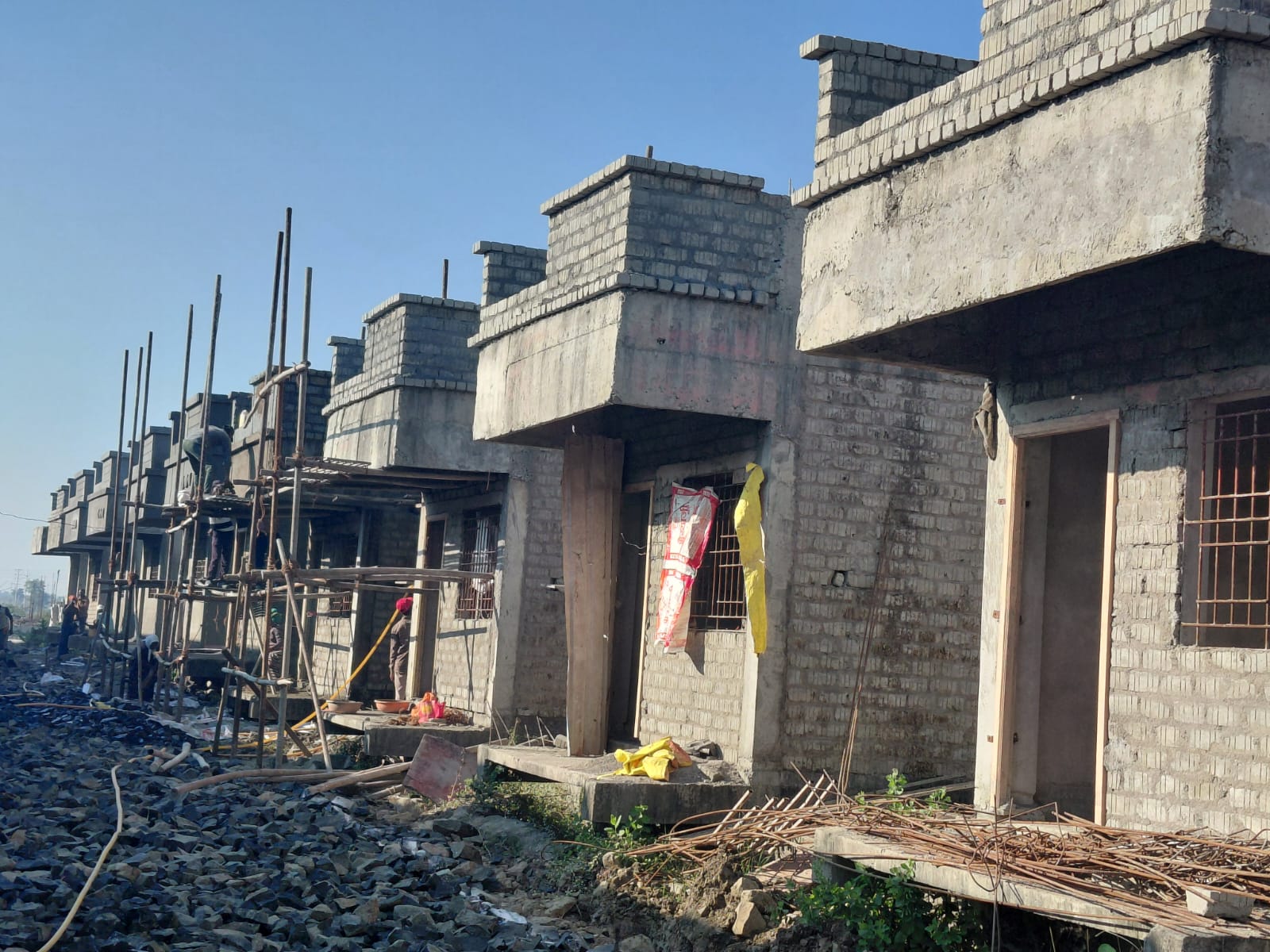 | Real Estate ₹2500000 Sukhkarta Nagari is a residential project located in Kanholi, Nagpur, developed by Sukhkarta Developers. View product → |
Inspect the building and documents before signing
A low price becomes expensive when the building fails your daily tests or the paperwork cannot support the promised possession. Use this flat inspection checklist before signing:
1. Inspect the actual building, not only the sample flat, in morning, afternoon and evening, and during or after rain. Measure every room and test window operation, mobile signal, water pressure, drainage, seepage, cracks, heat, noise, lift access and common-area cleanliness. Check the approach road, basement ramp, plinth, storm-water outlets and nearby low points.
2. Treat power backup in apartments as a service specification. Ask whether it serves the flat, lifts, pumps, corridors or only selected systems; record the maximum load, changeover time, and fuel or tariff basis. For water supply reliability, identify the normal mix of municipal supply, borewell and tankers.
Check tank capacity, pump redundancy, metering, hard-water treatment and recent quality information, then test taps morning and evening.
3. Complete MahaRERA verification before possession. Check the project record, sanctioned plans, declared completion date, pending complaints and whether the building has its occupation or completion approval.
Compare the approved agreement and sanctioned layout with the brochure for parking, charges and possession; confirm whether parking is open or covered, its exact location, exclusive allotment, price and maintenance charge. Ask for the approved drainage plan and basement-pump backup details.
Frequently asked questions
How much should you budget for an affordable flat?
Start with monthly take-home income, subtract existing EMIs and essential expenses, and preserve six months of essential outgoings before setting the new EMI. Add registration, stamp duty, parking, maintenance, brokerage, interiors and moving costs to the advertised price.
How do you compare comfort between flats?
Compare carpet area rather than super built-up area, then check room dimensions, natural light, cross-ventilation, storage, bathrooms, kitchen layout, power backup, water supply and lift access.
What location costs should you calculate before buying?
Price the daily commute in time and fuel or fares, then add parking, school travel, groceries, maintenance, utilities and access to hospitals, public transport and main roads.
Should you choose a 1BHK, row house or resale home?
Choose a 1BHK when your space needs are limited, a row house when privacy and outdoor space justify higher upkeep, and a resale home when an established location or larger usable area matters more than new construction.
What should you inspect before signing for a home?
Check cracks, dampness, drainage, water pressure, electrical points, lifts, fire systems, parking and common areas. Verify the seller's title, sanctioned plan, commencement or occupancy certificate, property tax records, encumbrance status and the sale agreement.